Inside Kafka Consumer-Group Mechanism
MORVAN Pierre
WHO AM I?

Pierre Morvan @Zenika Paris
@ryarnyah
OVERVIEW KAFKA
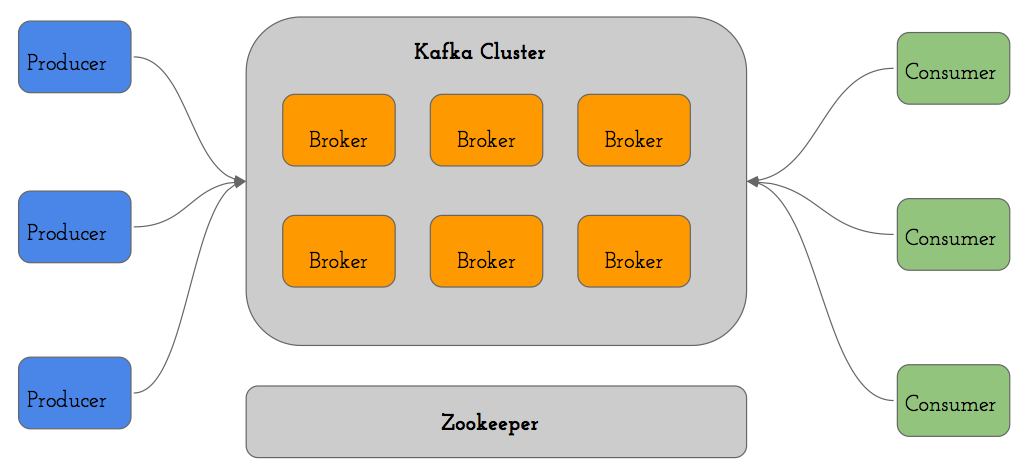
Topics

Partition
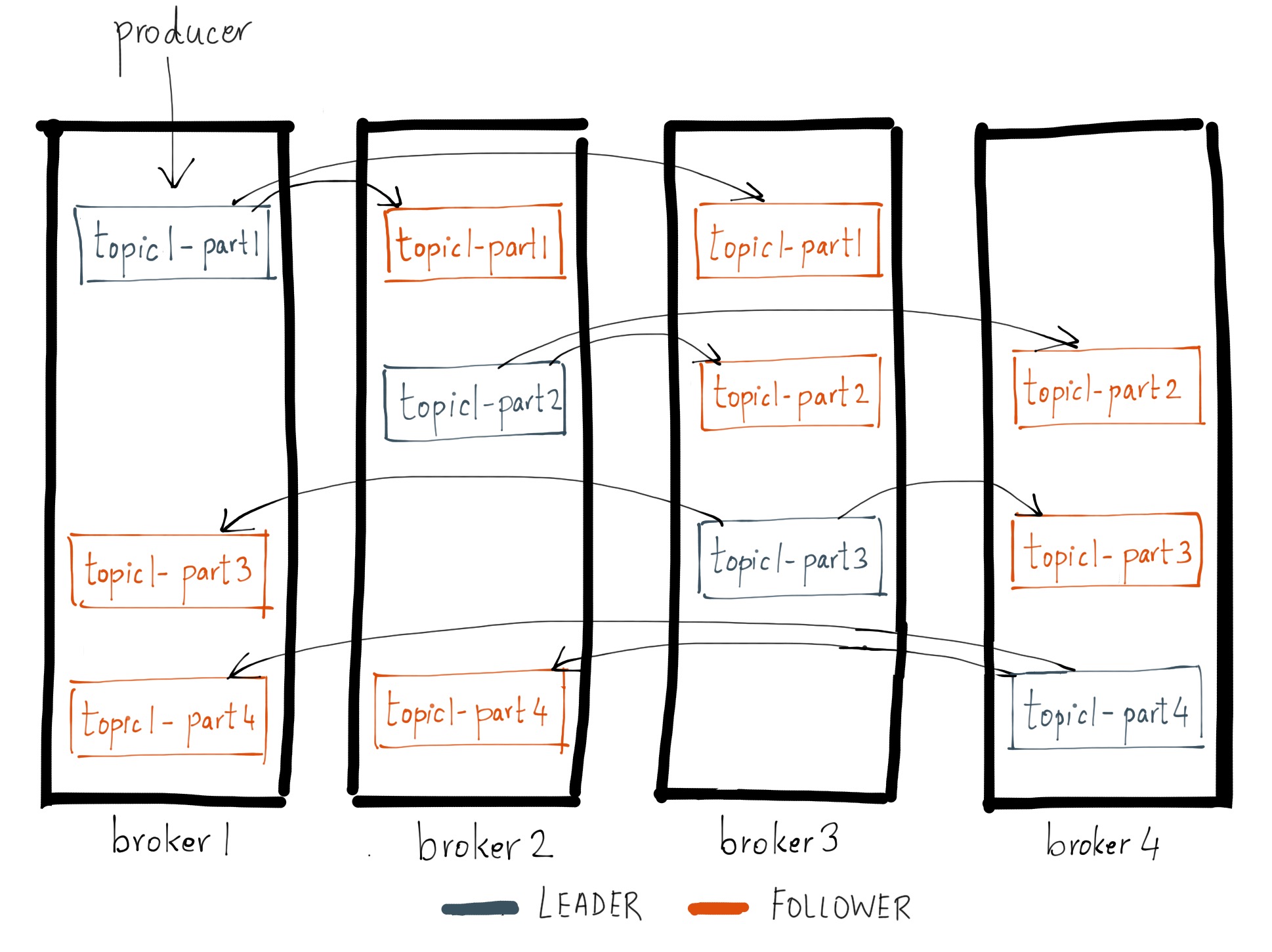
Consumer-group
REBALANCE PROTOCOL
Overview protocole Kafka
- Full Asynchrone
- Requete / Réponse
- Retro-compatible ascendant/descendant
- Documenté à partir du code
- Binaire & Normalisé
- API Java (et autre disponible)
Overview protocole Kafka - API Java
private static final Schema SCHEMA = new Schema(
   new Field("version", Type.INT16),
   new Field("nom", Type.STRING),
   new Field("list-nom", new ArrayOf(Type.STRING)
);
Donne une trame
[2 bytes][2 bytes pour taille nom][...nom...][4 bytes pour nombre de list-nom][...list-nom...]
Overview protocole Kafka - Async
Consumer-group protocole
| Description | |
|---|---|
| JoinGroupRequest | Requete envoyé par les client pour soit demander un nouveau rebalance, soit rejoindre le groupe demandé. |
| JoinGroupResponse | Réponse contenant la liste des membres, l'identifiant du membre courant du groupe ainsi que l'identifiant du leader groupe. |
| SyncGroupRequest | Requete demandant au broker de récupérer les assignations que le leader à faite. Dans le cas du leader du groupe, celui-ci envoit les assignations. |
| SyncGroupResponse | Récupération des assignations faites par le leader du groupe. |
| LeaveGroupRequest | Requete envoyé par le client lorsqu'il quitte le groupe. Permet au broker de réagir instantanément et de provoquer un rebalance dés le prochain poll. |
| LeaveGroupResponse | Réponse associée. |
JoinGroup
JoinGroupRequest
/** identifiant du groupe. */
String groupId;
/** identifiant du membre si connu. */
String memberId;
/** Type du protocole. */
String protocolType;
JoinGroupResponse
/** Identifiant de la génération du groupe (incrémenté à chaque rebalance) */
int generationId;
/** Type du protocole. */
String protocolType;
/** Nom du protocole. */
String protocolName;
/** Identifiant du leader. */
String leader;
/** Identifiant du membre. */
String memberId;
/** Metadata des membres du cluster. */
List<JoinGroupResponseMember> members;
SyncGroup
SyncGroupRequest
/** Identifiant du groupe. */
String groupId;
/** Identifiant de la génération. */
int generationId;
/** Identifiant du membre. */
String memberId;
/** Type du protocole. */
String protocolType;
/** Nom du protocole. */
String protocolName;
/** Assignation au format memberId/assignment (uniquement le leader). */
List<SyncGroupRequestAssignment> assignments;
SyncGroupResponse
/** Type du protocole. */
String protocolType;
/** Nom du protocole. */
String protocolName;
/** Assignment envoyé par le leader. */
byte[] assignment;
EAGER Flow
EAGER flow
Cooperative Flow
Cooperative Flow - Perte d'un membre
Cooperative Flow - Réintégration
CONSTRUISONS NOTRE COORDINATEUR
Mais pourquoi? Pour quel use-cases?
- Instance d'un service responsable d'un lancement d'un batch
- Distribution d'une serie de taches à une liste d'instances de taille variable (ex: auto-scalling)
- Partitionnement de traitements associées à une donnée partitionnable (membre modulo nombre de membres)
- …
Let's Go
Protocol - Assignment
 public class AssignmentProtocol {
     private String leaderId;
     private int generationId = -1;
     private byte[] assignedTasks = new byte[0];
     /** Header */
     private static final short PROTOCOL_V0 = 0;
     private static final String VERSION_KEY_NAME = "version";
     private static final Schema TASK_PROTOCOL_HEADER_SCHEMA = new Schema(
        new Field(VERSION_KEY_NAME, Type.INT16, "Schema version"));
     private static final Struct PROTOCOL_HEADER_V0 = new Struct(TASK_PROTOCOL_HEADER_SCHEMA)
        .set(VERSION_KEY_NAME, PROTOCOL_V0);
     /** Schema */
     private static final String LEADER_ID_KEY = "leader_id";
     private static final String ASSIGNED_TASKS_KEY = "assigned_tasks";
     private static final String GENERATION_KEY = "generation_key";

     private static final Schema SCHEMA_V0 = new Schema(
        new Field(GENERATION_KEY, Type.INT32, "Generation of assignment"),
        new Field(LEADER_ID_KEY, Type.STRING, "MemberId of group leader", ""),
        new Field(ASSIGNED_TASKS_KEY, Type.BYTES, "Current groups assigned")
     );
     /** ... */
}
Coordinator - Listener
public interface AssignmentListener {
    default AssignmentProtocol onAssigned(String memberId, AssignmentProtocol assignment,
                                          String leaderId, int generation) {
        return assignment;
    }
    default AssignmentProtocol onAssignmentRevoked(String memberId,
                                 AssignmentProtocol assignment) {
        return assignment;
    }
    default AssignmentProtocol onAssignmentLost(String memberId,
                                 AssignmentProtocol assignment) {
        return onAssignmentRevoked(memberId, assignment);
    }
    default Map<String, AssignmentProtocol> assign(String leaderId,
                                 Map<String, AssignmentProtocol> memberConfigs) {
        return memberConfigs;
    }
    /**
     * <code>true</code> if rejoin is needed.
     */
    default boolean isRejoinNeeded() {
        return false;
    }
}
Coordinator - JoinGroup
public class AssignmentCoordinator extends AbstractCoordinator implements Closeable {
    /**
     * Type de protocole.
     */
    private static final String PROTOCOL_TYPE = "assign";
    /**
     * Sub-type de protocole.
     */
    private static final String SUB_PROTOCOL_TYPE_V0 = "assign_v0";

    private AssignmentProtocol assignmentSnapshot = new AssignmentProtocol();

    @Override
    protected String protocolType() {
        return PROTOCOL_TYPE;
    }

    @Override
    protected JoinGroupRequestData.JoinGroupRequestProtocolCollection metadata() {
        return new JoinGroupRequestData.JoinGroupRequestProtocolCollection(
                Collections.singletonList(new JoinGroupRequestData.JoinGroupRequestProtocol()
                   .setName(SUB_PROTOCOL_TYPE_V0)
                   .setMetadata(assignmentSnapshot.serialize().array())).iterator());
    }

}
Coordinator - JoinGroup
public class AssignmentCoordinator extends AbstractCoordinator implements Closeable {
    /** ... */
    @Override
    protected void onJoinPrepare(int generation, String memberId) {
        try {
            if (generation == Generation.NO_GENERATION.generationId &&
                memberId.equals(Generation.NO_GENERATION.memberId)) {
                LOGGER.info("Giving away assignment as lost since generation has been reset," +
                            "indicating that client is no longer part of the group");
                listener.onAssignmentLost(memberId, assignmentSnapshot);
                /** Reset snapshot when assignment lost */
                assignmentSnapshot = new AssignmentProtocol();
            } else {
                LOGGER.debug("Revoking previous assignment {}", assignmentSnapshot);
                listener.onAssignmentRevoked(memberId, assignmentSnapshot);
            }
        } catch (WakeupException | InterruptException e) {
            throw e;
        } catch (Exception e) {
            throw new KafkaException("User rebalance callback throws an error", e);
        }
    }

}
Coordinator - SyncGroup
@Override
protected Map<String, ByteBuffer> performAssignment(String leaderId,
                       String protocol,
                       List<JoinGroupResponseData.JoinGroupResponseMember> allMemberMetadata) {
    LOGGER.debug("Performing assignment");

    Generation generation = generation();
    /** ... */
    LOGGER.debug("Member information: {} Assignments: {}", memberConfigs, assignments);
    return assignments.entrySet()
        .stream()
        .collect(Collectors.toMap(
                                  Map.Entry::getKey,
                                  e -> AssignmentProtocol.serializeAssignment(e.getValue())));
}
Coordinator - SyncGroup
public class AssignmentCoordinator extends AbstractCoordinator implements Closeable {
    /** ... */
    private int previousAssignmentGenerationId = Generation.NO_GENERATION.generationId;
    /** ... */
    @Override
    protected void onJoinComplete(int generation, String memberId, String protocol,
                                  ByteBuffer memberAssignment) {
        try {
            assignmentSnapshot = AssignmentProtocol.deserializeAssignment(memberAssignment);
            if (generation != Generation.NO_GENERATION.generationId &&
                    assignmentSnapshot.getGenerationId() != Generation.NO_GENERATION.generationId &&
                    generation != assignmentSnapshot.getGenerationId()) {
                LOGGER.warn("assignment generation-id {} mismatch current generation-id {}",
                        assignmentSnapshot.getGenerationId(), generation);
                requestRejoin("assignment generation-id mismatch current generation-id");
            }

            listener.onAssigned(memberId, assignmentSnapshot,
                                assignmentSnapshot.getLeaderId(), generation);
        } catch (WakeupException | InterruptException e) {
            throw e;
        } catch (Exception e) {
            throw new KafkaException("User rebalance callback throws an error", e);
        } finally {
            previousAssignmentGenerationId = generation;
        }
    }
}
Coordinator - Poll
public class AssignmentCoordinator extends AbstractCoordinator implements Closeable {
    /** .. */
    public void poll(Timer timer) {
        if (coordinatorUnknown() && !ensureCoordinatorReady(timer)) {
            throw new TimeoutException("timeout on waiting for coordinator");
        }
        if (rejoinNeededOrPending()) {
            ensureActiveGroup();
        }

        pollHeartbeat(timer.currentTimeMs());
        do {
            client.poll(timer);
        } while (assignmentSnapshot.getLeaderId() == null && timer.notExpired());

        if (timer.isExpired()) {
            throw new TimeoutException("timeout on waiting for assignment");
        }

        timer.update();
    }
}
Exemple de Listener - Leader
public class LeaderListener implements AssignmentListener {
    private Boolean isLeader = null;

    @Override
    public AssignmentProtocol onAssigned(String memberId,
                AssignmentProtocol assignment, String leaderId, int generation) {
        isLeader = memberId.equals(leaderId);
        return AssignmentListener.super.onAssigned(memberId, assignment, leaderId, generation);
    }

    @Override
    public AssignmentProtocol onAssignmentLost(String memberId, AssignmentProtocol assignment) {
        isLeader = null;
        return AssignmentListener.super.onAssignmentLost(memberId, assignment);
    }

    @Override
    public boolean isRejoinNeeded() {
        return isLeader == null;
    }

    public boolean isLeader() {
        return isLeader != null && isLeader;
    }
}
Exemple de Listener - Round-Robin Distribute
public class ListStringListener implements AssignmentListener {
    private Set<String> valueAssigned = null;
    /** ... */
    @Override
    public Map<String, AssignmentProtocol> assign(String leaderId,
                                           Map<String, AssignmentProtocol> memberConfigs) {
       Map<String, Set<String>> assignments =
           memberConfigs.entrySet().stream().collect(Collectors.toMap(
                   Map.Entry::getKey,
                   e -> new HashSet<>()
       ));
       Set<String> toAssignValues = new HashSet<>(initialAssign);

       /** Round-robin assignment */
       CircularIterator<Map.Entry<String, Set<String>>> circularIterator
           = new CircularIterator<>(assignments.entrySet());
       ArrayDeque<String> toAssign = new ArrayDeque<>(toAssignValues);
       while (!toAssign.isEmpty()) {
           String strToAssign = toAssign.pop();
           circularIterator.next().getValue().add(strToAssign);
       }

       memberConfigs.forEach((k, v) -> v.setAssignedTasks(serialize(assignments.get(k)).array()));
       return memberConfigs;
   }
    /** ... */
}
Et si on faisait du cooperatif?
CONCLUSION
- Solution élégante pour distribuer des taches.
- Réutilise l'infrastructure déjà présente.
- Ne necessite pas une grande complexité d'inplémentation.
- N'implique pas l'ajout d'une nouvelle brique (genre kafka-connect).
Avant de se lancer:
- Est-ce pour mon contexte?
- N'y a t'il pas plus simple dans mon cas?
- Quid des droits sur le cluster?
MERCI